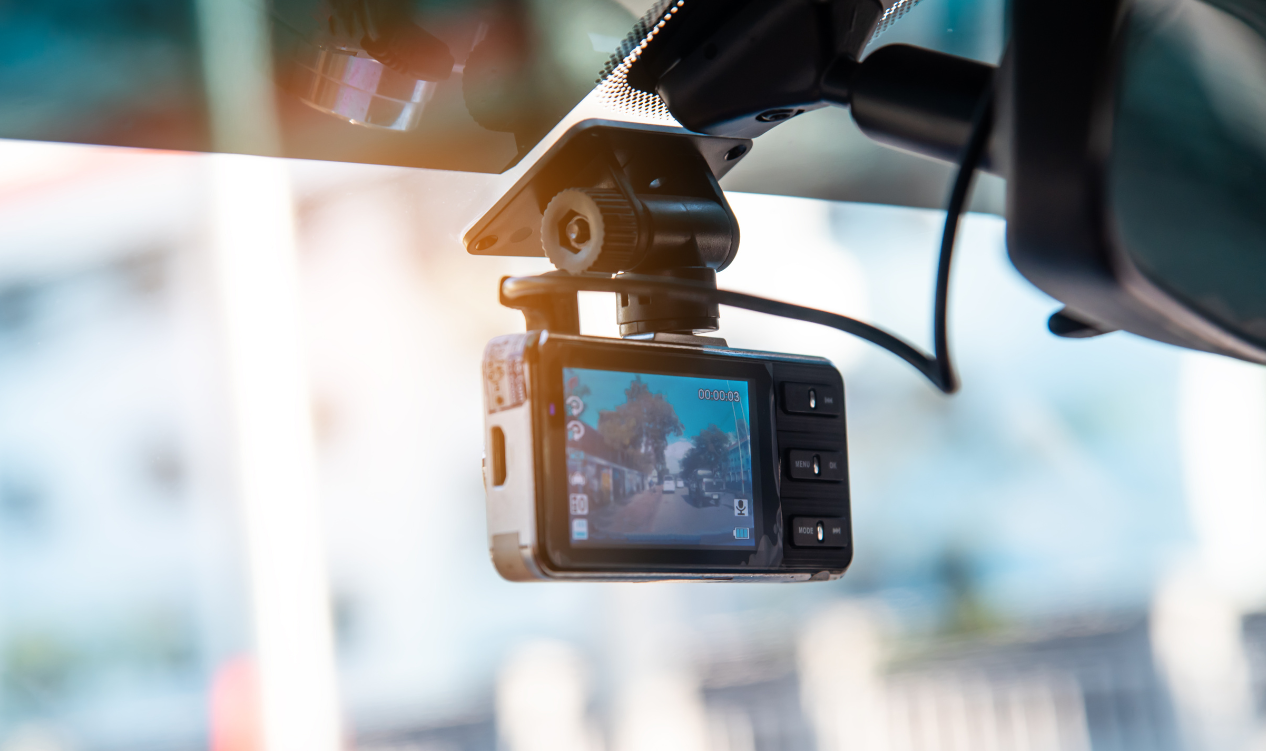

Dashcams, once rarely seen outside the police TV show niche, are now increasingly seen on Irish roads. Their growing popularity has underscored the multiple benefits that they can bring, ranging from heightened security to potential insurance perks.
A lot of drivers still see a dashcam as an extra cost. We get that. A small camera can still make a real difference after a scrape, a bump, or a dispute.
What are the Benefits of Installing a Dashcam?
A lot of drivers still see a dashcam as an extra cost. We get that. A small camera can still make a real difference after a scrape, a bump, or a dispute.
Enhanced Road Safety
Dashcams support road safety by documenting potential hazards and incidents. A study by the Journal of Transportation Research reports a 52% decrease in safety incidents when dashcams with driver feedback were used.
Drivers often take more care when a camera records the trip. That can reduce risky moves and lower the chance of a collision. Footage also leaves you with a clear record if something goes wrong.
Assistance in Insurance Claim Resolution
After an accident, dashcam footage can help insurers piece together what happened and deal with disagreements about responsibility.
When it’s your word against theirs
You’re waiting at a junction when a car scrapes past your bumper. The other driver is adamant that you rolled forward into them. Instead of a stressful roadside argument, you can point to the small camera on your windscreen.
Having that objective recording helps resolve disputes and can mean claims are settled much more quickly, protecting you from unfair blame.
Footage can reduce back-and-forth questions, especially when accounts differ. The decision might not feel great if you made the mistake, yet it should reflect what happened on the road.
Deterrence of Fraudulent Claims
Dashcam footage can help deter fraudulent claims, a concern for drivers and insurers. Some scams involve staged collisions or exaggerated damage. Video can show the full sequence, which helps insurers assess the claim more fairly.
Evidence in legal proceedings
In legal disputes arising from road incidents, dashcam footage can serve as important evidence, often carrying significant weight in Irish courts. A time-stamped recording can support your account during incidents involving road rage, traffic stops, or disagreements about right of way.
Parking Monitoring
Modern dashcams often come equipped with parking mode features, enabling continuous monitoring of your vehicle when parked.
Advanced models include collision detection and can automatically record break-ins or acts of vandalism based on motion. This function is particularly valuable in guarding against theft, vandalism, or hit-and-run incidents, providing peace of mind even when you're away from your vehicle.
Promotion of Safer Driving Habits
The presence of a dashcam encourages safer driving habits by making drivers more conscious of their actions on the road. Watching a clip back can help you spot habits you want to fix, like creeping at junctions or following too closely.
What Legal Aspects Should I Consider When Using Dashcam Footage for Insurance Claims?
Understanding the legal framework surrounding dashcam usage in Ireland is essential, especially concerning privacy concerns and how the footage can legally be used.
Privacy and Data Protection Laws
Under Irish law, it's imperative to balance collecting evidence and respecting privacy. Drivers using dashcams must be mindful of privacy and data protection regulations when recording and sharing footage. Here are a few of the most important points taken from the Data Protection Commission:
- A clearly visible sign, sticker, or other indication on and/or inside the vehicle, as applicable, should indicate that recording is taking place.
- A policy detailing contact details, the legal basis for collecting the images or audio of others, the purposes for which the data is being used, and how long it will be retained should be made available.
- In the event of an accident, you should advise the other party that you have recorded footage of the accident.
- Drivers must be aware of and limit who has access to their cameras and any storage devices on which recordings are stored. Data must be kept securely.
If your dashcam records audio, you should tell passengers about the recording, as privacy laws for sound may require all-party consent. You may also decide to switch off audio recording if you do not need it.
Consent for Recording in Public and Private Spaces
Recording in public spaces is generally linked to normal driving use, like recording from your own moving vehicle. A parked camera aimed at people, or used outside normal driving, can raise privacy issues. Before sharing dashcam footage publicly, you should blur faces and license plates to protect the privacy of others captured in the recording.
Admissibility of Footage in Court
Dashcam footage must meet the above quality and relevance criteria to be admissible in court. Courts look at relevance, image quality, and how you handled the file. Keep the original clip and avoid edits. If any of these are not met, the footage may not be admissible as evidence in legal proceedings.
Disclosure Requirements to Insurance Companies
Drivers have an obligation to disclose relevant dashcam footage to their insurance providers. Transparency in sharing evidence is essential for a fair and thorough assessment of insurance claims. Should an insurance company discover you knowingly withheld dashcam footage of a specific incident, you could be found violating your insurance agreement.
Why Dashcam Specs Matter
Specs affect how usable your footage is when you need it most. Video quality, viewing angle, night performance, storage, and sensors all change what the camera captures.
1. Video Quality and Clarity
High-resolution video helps capture details like number plates and road signs. Look for good image quality in bright sun and poor weather. When choosing a dashcam, prioritise high resolutions and features that enhance image quality. A grainy image where it looks like it's constantly snowing is not helpful for anybody.
2. Field-of-View Coverage
A wide field-of-view ensures comprehensive coverage of the vehicle's surroundings, capturing more context if something happens. Some drivers opt for a dual camera setup with front and back coverage, or even interior cameras for comprehensive protection. Optimal field-of-view specifications are essential for effective dashcam performance.
3. Night Vision Capabilities
Effective night vision is sometimes needed to record under low-light conditions if you want to protect around the clock. This extra bit of technology will add to the overall price, but it is crucial for capturing usable footage during nighttime.
4. Storage and Loop Recording Features
Recording the footage is just one of the stages. Adequate storage capacity and efficient loop recording ensure that important events are captured and retained.
Traditional SD cards have limited capacity and can fill up quickly, requiring frequent overwriting or manual file management. Loop recording is a feature where a dashcam can continue recording even when the memory card is full by deleting older files and keeping newer ones.
Modern dashcams with cloud storage capabilities automatically upload crash footage, eliminating concerns about SD card loss or theft. Selecting a dashcam with ample storage and reliable loop recording functionality is important if you're on the road for long periods.
5. GPS and Motion Sensor Integration
GPS and motion sensors add valuable context to dashcam footage, such as location and speed data, enhancing the comprehensiveness of incident documentation. A G-sensor automatically detects sudden impacts and locks the recording to prevent it from being overwritten during loop recording. These features are well worth considering for a more detailed record of events..
How Insurance Companies Verify the Authenticity of Dashcam Footage
Insurance providers use specific methods to authenticate dashcam footage to ensure the integrity of what they're watching.
Date and Time Stamp Verification
Accurate date and time stamps are crucial for establishing the timeline of events in an incident. Insurers verify this information to ensure consistency with claims and other evidence.
Analysis of Video Metadata
Video metadata provides detailed insights into the recording, helping insurers in the authentication process. The relevance of metadata, such as recording settings and device information, is carefully scrutinised for its impact on claims. Examples of metadata might be:
- Date
- Time
- File Name
- Geolocation
- Creation Date
- Creation Author
Cross-Reference with Incident Reports
Insurers often compare the clip with other evidence, such as photos, Garda reports, or witness statements. It's rare that an insurance company will only go on what they've seen in a piece of footage, and this collaborative approach ensures a thorough verification of claims.
For practical guidance on reporting and documenting incidents to support claims, see our guidance on reporting an accident.
Expert Examination for Signs of Tampering
Experts may be hired to detect any signs of tampering or editing in dashcam footage. This isn't particularly easy, but the rapid advancements of deepfakes in recent years mean that insurance companies will always look carefully for evidence of tampering.
How to Submit Dashcam Footage to Insurance Providers
Submitting dashcam footage to insurance providers usually involves a structured process.
1. Confirming the Footage Matches the Incident
The first step in the submission process is to assess the relevance of dashcam footage to the specific claim. Consulting with insurance representatives can help determine how valuable the footage might be in supporting your claim.
2. Save a Copy of the Original File
Keep the original clip on the memory card, if possible. Save a copy to your phone, computer, or cloud storage as a backup.
3. Provide Supporting Documentation
Compile supporting documentation, such as incident reports and witness statements, to complement dashcam footage. Send photos too if you have them, since they can add extra detail. The general rule is: the more varied the supporting evidence, the better.
4. Submit the Clip Using Your Provider's Process
Every insurance provider has its own protocols and procedures for footage submissions. Speak to your provider to learn how they work, then follow their instructions. Dot the i's, cross the t's - include everything.
Best practices for dashcam footage management
Footage should not be retained indefinitely and should be routinely deleted once it is no longer necessary for the purpose for which it was initially collected or any legitimate subsequent purpose.
Unedited evidence
Submitting unedited and complete footage is imperative to maintain the credibility and legal standing of the evidence. Never edit or crop the video before submission, as altered footage can compromise the integrity of your claim and lead to legal consequences.
Retention and access
A data access request can come with set response timelines under the General Data Protection Regulation (GDPR). Store files securely and keep a note of what you kept and why.
Comprehensive Cover for Dashcam Equipped Vehicles at 123.ie
Dashcams are now part of everyday driving for a lot of people. They can help after an incident, and they can support a clearer claims conversation.
123.ie recognises the value of dashcams in enhancing vehicle security and driver safety while acting as an invaluable neutral eye in the event of an accident.
So, next time you're looking for a Car Insurance quote, contact 123.ie, and see how a dashcam might benefit you.