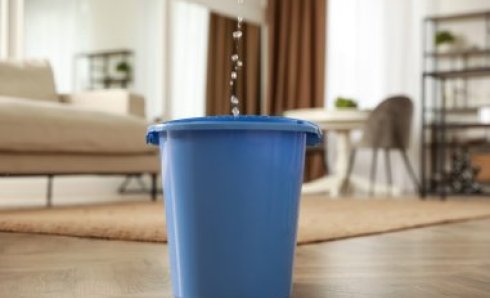
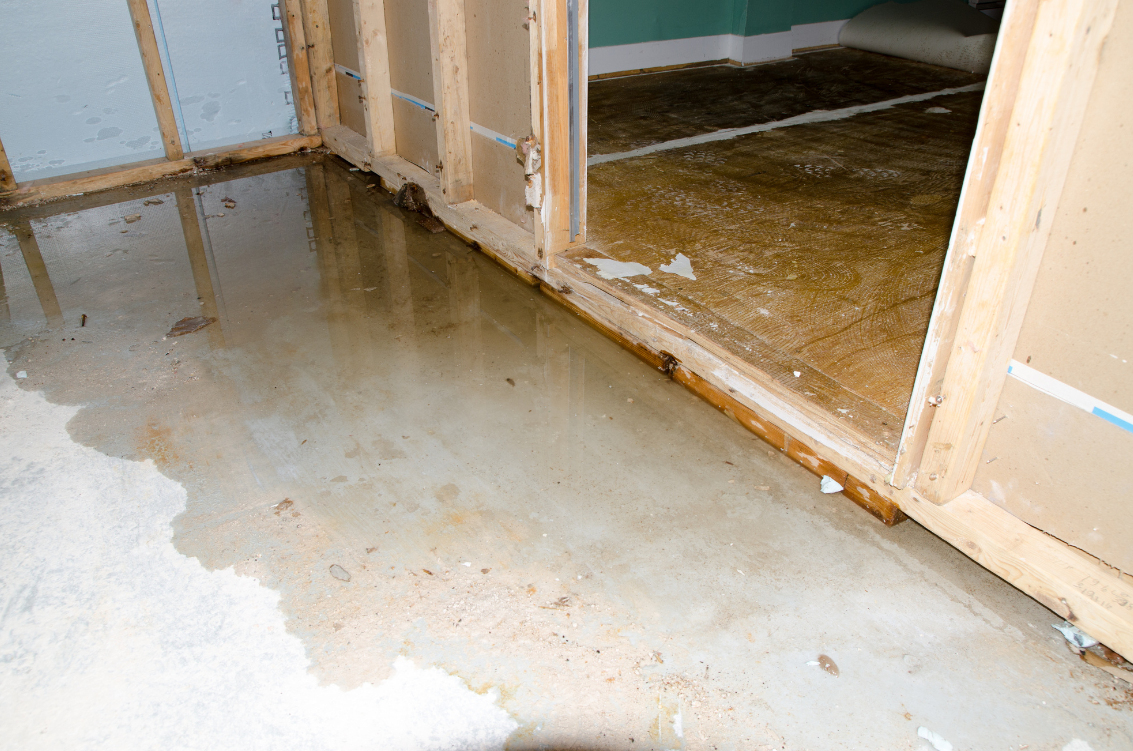

Escape of water vs flooding – what differs?
Water damage in homes can be a significant concern for homeowners across Ireland. It can cause extensive property damage. It can also pose risks to residents' health and safety.
Recognising escape of water damage, which refers to water escaping from internal plumbing systems, tanks, or appliances, is different from flooding caused by external water sources.
This guide provides comprehensive advice on managing water escape, including practical tips on maintenance and insurance coverage to protect your home and finances.
What are the Most Common Causes of Water Escape in Irish Homes?
Spotting the sources of water escape can prevent damage and save homeowners considerable stress and expense.
Faulty Plumbing and Pipe Bursts
Regular plumbing inspections can reveal potential weaknesses in the system that could lead to plumbing failures. We advise homeowners to use qualified professionals to conduct inspections every 18 to 22 months. Pipe maintenance can help avoid costly repairs and can extend the life of your plumbing system.
Inspections can reduce the chance of burst pipes. Pipes can still fail for several reasons, including corrosion, heat, cold, and external physical damage.
Damaged Water Tanks and Heaters
Water tanks and heaters are common culprits and are some of the leading causes of water escape in homes. Routine checks and maintenance are vital to ensure these appliances are in good working order and do not contribute to water leakage. In Ireland, checking your water tanks and heaters once a year is recommended.
Compromised Appliance Hoses and Connections
Appliance hoses and connections can degrade over time, leading to unexpected water leaks. Inspect them and replace parts that show cracking, bulging, or perishing. We know it can be tempting to try to get a few extra years out of an appliance to save on cost, but financial implications can be huge if something goes wrong.
Structural Issues Leading to Water Ingress
In older homes, structural vulnerabilities such as cracked walls or inadequate roofing can lead to water ingress. Quick repairs can stop moisture from getting into walls and ceilings. Again, letting a small crack slide is easy, but what comes next could lead to substantial damage.
- Blocked Gutters
Blocked gutters are another common cause, as they prevent proper drainage and can force water into the building structure.
- Poor Workmanship
Poor workmanship or substandard DIY repairs can also compromise pipe integrity, which is why using qualified professionals and quality materials is essential.
- Degraded Grout and Sealant
Check grout and sealant around baths, showers, and sinks. Small gaps can let water seep into floors and walls over time.
How Does Cold Weather Increase the Risk of Water Leaks?
Cold weather adds pressure to plumbing systems, especially when temperatures drop below freezing.
Freezing Temperatures Causing Pipe Bursts
When temperatures drop, the water in pipes can freeze, expand, and cause the pipes to burst. Homeowners can mitigate this risk by:
- Insulate pipes and tanks
- Keep indoor heat steady during cold snaps
- Run taps briefly each day in very cold weather
- Leave cabinet doors open under sinks so warm air can reach the pipework
- Open the loft hatch now and then so warmer air reaches the attic pipework
- Ask a friend or neighbour to run taps if you are away for a few weeks in winter
Signs of frozen plumbing
Sometimes you notice signs that point to a frozen pipe:
- Bad smells coming from sinks
- Little to no water coming through
- Visible frost on the exterior of the pipes
- Slow toilet refills or flushes
- Your boiler won't turn on
- Gurgling sounds from the heating system
If you're sure your pipes are frozen, try turning on the taps to let some water run through for 30 seconds, but not longer. You can also try turning on your central heating and waiting a few hours. If neither works, it's best to call a professional plumber.
Safe Pipe Thawing
When thawing frozen pipes, use gentle methods such as applying a hot water bottle wrapped in a towel to the affected area, working from the tap back towards the frozen section.
Insufficient Insulation of Pipes and Water Tanks
Good insulation helps prevent freezing. Check it before winter and top it up if it has slipped, compressed, or degraded. Insulation can cost less than you expect. Online suppliers can help. Add fitting costs if you need a tradesperson.
Increased Pressure on Plumbing from Ice Formation
Ice formation in pipes can increase pressure within the plumbing system, potentially leading to leaks or bursts. As the water turns to ice, it expands, which causes the pressure in the pipes to increase. Eventually, the ice stretches and damages plumbing and taps, leading to leaks and bursts when the temperatures rise again.
Checking pipes before and after major cold spells is always a good idea. If you have a pressure-reducing valve in your home, you can turn it down; otherwise, try turning your heating on at a low temperature for a few hours to see if it helps.
What Should You Do Immediately After Discovering a Water Leak?
Fast action can limit damage and support a simpler repair process.
That sinking feeling when you spot a leak
You come downstairs on a frosty morning, ready for a cup of tea, and stop in the kitchen doorway. There’s a strange bulge in the ceiling plaster and a steady drip into a growing puddle on your new floor.
The temperature dropped to -2°C overnight, and your mind races: is it a burst pipe? Your first job is finding the main water stopcock before the ceiling gives way.
1. Shut Off the Main Water Supply if Necessary
Knowing how to shut off the main water supply quickly can prevent further damage. This should be one of the first steps taken in the event of a significant leak. Also, turn off your main electricity if you have access to it and your central heating.
2. Assess and Document the Damage
Documenting the extent of water damage is crucial for insurance claims and repair assessments. Take photos and make detailed notes describing the damage.
3. Contact a Professional Plumber Immediately
Contact a professional plumber to address and repair the source of the leak as quickly as possible. Early repairs can reduce the scale of drying and reinstatement work.
4. Notify Your Insurance Provider
If you have home insurance and think you'll need to claim, inform your insurance provider about the incident as quickly as possible to begin the claim process.
5. Begin Drying Out the Affected Area
Start drying out affected areas immediately to prevent mould growth and additional structural damage. Use fans, dehumidifiers, and other drying equipment. If repairs mean you cannot stay at home, keep all receipts for temporary stays. Check our alternative accommodation cover for details on what may be reimbursed.
How to document and manage a water damage claim
These steps help you keep clear records and reduce delays if you need to claim. Store everything in one place from day one.
1. Record a Claim Diary
Keep a claim diary recording all communications with your insurer, including dates, names, and what was discussed.
2. Keep All Receipts
Keep receipts for emergency costs, including drying equipment and call-out fees. Store them with your claim diary.
3. When to Claim
Compare repair costs to your policy excess. Small repairs can sometimes cost less than the excess.
How Does Water Escape Impact Home Insurance Policies?
Water escape incidents can significantly affect home insurance policies, premiums, and coverage. Many homeowners wonder, "Is water damage covered by home insurance?" The answer depends on the cause and your specific policy terms.
Potential Increase in Premiums Following a Claim
Homeowners may face increased insurance premiums following a water damage claim, which is why mitigating the likelihood of such an event is so important.
Requirement for Comprehensive Coverage for Full Protection
The right cover can help with many types of water damage. Homeowners should review their policies to ensure adequate protection.
See our home insurance benefits page for a clear summary of typical cover, limits, and common exclusions.
Exclusions and Limitations on Water Damage Claims
Understanding the common exclusions and limitations in home insurance policies regarding water damage is vital, as you don't want to be caught short when you experience a major incident. Homeowners should be aware of what their policy covers and what it does not.
Wear and Tear or Negligence Exclusions
Typical exclusions include damage caused by wear and tear, lack of maintenance, or negligence, such as failing to repair degraded grout and sealant in bathrooms or ignoring a dripping tap for extended periods.
High Excess Explained
Escape of water claims often carry a higher excess than other types of claims due to their frequency and the potentially high costs involved for insurers.
For 123.ie Home Insurance, escape of water cover in Buildings and Contents lists an escape of water excess of €750, or a higher escape of water excess shown in an endorsement on the schedule.
Unoccupied Home Limits
If your property will be unoccupied for an extended period, check your policy terms, as many insurers have specific requirements or limitations for vacant homes.
How to Prevent Escape of Water in Irish Homes
Preventive measures can significantly reduce the risk of water escape, protecting property and peace of mind. Here are some of the best:
1. Leak Detection Devices
Installing leak detection devices can serve as an early warning system, alerting homeowners to potential water escapes before they cause significant damage. If you spot drips or damp patches, follow our steps to stop a leak.
2. Regular Maintenance and Inspections of Plumbing
Regular maintenance and inspections of plumbing systems are critical in preventing water escape. It allows homeowners to identify and address issues before they lead to damage.
3. Insulating Pipes and Tanks for Winter
Insulating pipes and water tanks is a hugely effective preventive measure against freezing and leaks, particularly during Ireland's cold, wet winter months.
4. Installing Water Pressure Regulators
Water pressure regulators can help protect plumbing systems from leaks caused by excessive pressure. Installing these devices can extend the life of your plumbing.
5. Upgrading Old or Damaged Pipes and Appliances
Upgrading outdated or damaged pipes and appliances can prevent future water escapes. This proactive approach can save money and hassle in the long run. Lead pipes continue to be a major health concern in Ireland, and the government still has a scheme to provide grants for replacing lead piping and fittings.
These preventative measures protect your home and can reduce wasted water, which may help lower bills.
- Flow Detection Devices
Advanced flow detection devices can monitor your water usage patterns and automatically shut off the supply if an unusual flow is detected, offering an additional layer of protection.
- Electronic Stopcocks
Consider upgrading to an electronic stopcock, which offers more reliable shut-off capability than older manual stopcocks that may have seized over time.
- Water Meter Checks
You can also perform a basic water meter check. Note your meter reading, ensure no water is being used for a few hours, then check again. A change may point to a hidden leak.
Can leaks lead to subsidence or structural harm?
In severe cases, persistent leaks can even lead to subsidence, where the soil beneath your property erodes, causing the foundations to shift and potentially resulting in significant structural damage. Call a professional if you see new cracking along with ongoing damp or pooling water.
Protect Your Home from Water Damage with 123.ie
Most people only think about pipework when something goes wrong. Small leaks can turn into major repairs fast, so regular checks and early action matter.
If you want to check cover options, take a look at 123.ie, and our Home Insurance page. Cover depends on your policy, including terms, limits, excesses, and exclusions.