
Heavy Rainfall - Safe Driving Practices in Ireland
Driving in heavy rain can catch you out, even on roads you know well. Safe habits in these conditions protect you, your passengers, and other road users. Extra water on the surface changes grip, visibility, and stopping distance.
Rain is part of Irish life. Wet roads still need extra care and attention. This guide shares practical steps to help you stay in control during a downpour.
That heart-stopping moment on the motorway
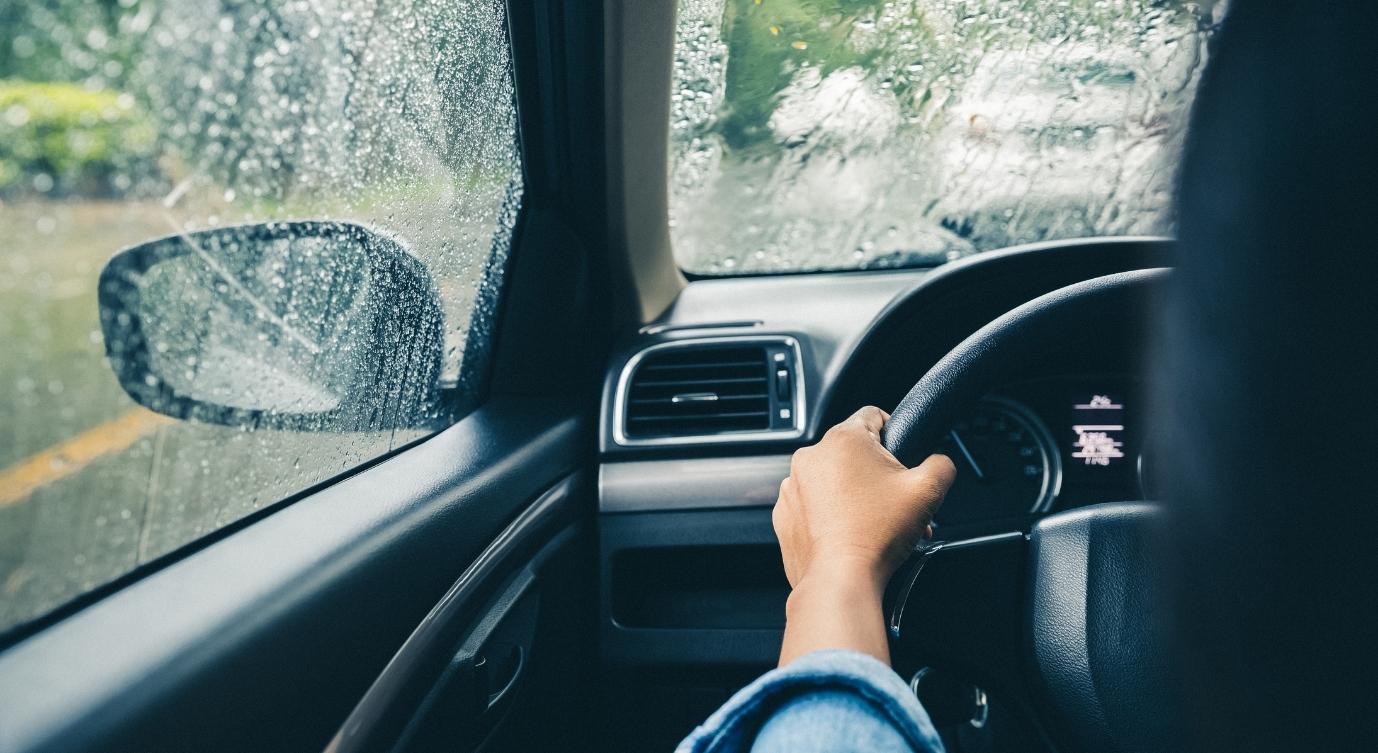
You’re driving home as the rain starts hammering down. Spray from other cars cuts visibility.
You move into the outside lane. A patch of standing water hits the tyres. The steering goes unnervingly light.
For a scary second, the car is aquaplaning. You ease off the accelerator and hold the wheel steady until the tyres bite again. That moment is a sharp reminder to slow down and leave space ahead.
5 Challenges Heavy Rain Creates for Drivers in Ireland
Downpours can turn a normal drive into a high-risk situation. These are the main issues to watch for.
1. Wet and Slippery Roads
Wet and slippery roads are a real hazard during heavy rain. Water on the road surface reduces tyre traction, making it easier for vehicles to skid. This reduced traction also increases braking distances, meaning that stopping your car takes longer than usual.
The stopping distance in heavy rain can be significantly longer than on dry surfaces, so driving more slowly and cautiously to account for these conditions is essential. For a quick tyre safety check before you set off, learn how to check tyre depth with euro coin to confirm your tread is sufficient.
2. Reduced Visibility
Rain makes it harder to spot vehicles, signs, and hazards. To improve visibility, use your windscreen wipers well and keep your headlights on so other drivers can see you. Stay within the speed limit, then slow down until you can stop safely within the distance you can see.
3. Hydroplaning
Hydroplaning, also called aquaplaning, happens when a layer of water builds up between your vehicle's tyres and the road surface, causing a loss of traction and complete control. Reduce speed and avoid sudden manoeuvres. Check tyres for good condition and suitable tread depth.
4. Strong Winds
Heavy rain often comes with strong winds. Gusts can affect stability and make control harder, especially for high-sided vehicles like vans and trucks. Expect sudden changes and keep both hands on the steering wheel.
5. Flash Flooding
Flash flooding can occur during heavy rain, posing a serious driver risk. Floodwaters can be deceptively deep and hide hazards like debris or potholes. It's crucial to recognise and avoid flooded areas whenever possible.
Driving through floodwater can cause serious water damage to your vehicle, including engine seizure, contaminated fuel, and electronic damage that may not be immediately noticeable.
If you encounter a flooded road, it's often safer to turn around and find an alternative route rather than attempting to drive through the water. If you're unsure what cover applies after water damage, read our accidental damage guide on whether car insurance covers flood damage.
What Safety Tips Should You Follow When Driving in Rainy Weather?
Driving in rainy weather needs extra caution and preparation. Here are some safe driving tips for rain to help you navigate wet conditions safely.
Check the Weather Forecast
Check the weather forecast before you set off. Pay attention to weather warnings for your area. Plan travel to avoid the worst conditions where possible. Leave extra time for the trip, too.
Traverse Flooded Areas Safely
If you must drive through a flooded area, proceed with caution. Drive slowly and steadily through shallow water. Avoid creating waves that could splash into the engine bay.
Flood water depth rule
Assess the water depth first. If the water is deeper than the bottom of your car doors, do not attempt to cross.
After water, test brakes
Stay in a low gear and test brakes once you are clear. Do not stop in a flooded area unless the vehicle will not move.
Maintain a Safe Following Distance
Increase the distance between your vehicle and the one in front of you. Aim for at least a four-second gap on wet roads. This extended distance allows more time to react and stop if the vehicle ahead brakes suddenly.
Use Headlights and Fog Lights Appropriately
Turn on your headlights whenever you drive in heavy rain, even during the day, to improve visibility. Use fog lights in very poor visibility caused by fog or heavy rain. Avoid high beams in fog, since reflected light can reduce what you can see. Turn fog lights off once visibility improves to avoid dazzling other drivers.
Ensure Wipers and Tyres are in Good Condition
Check your windscreen wipers and tyres regularly to ensure they are in good condition. Replace wiper blades that leave streaks or do not clear the windscreen properly. Check tyre tread depth and pressure too. For servicing steps you can do at home, covering tyres, wipers, and lights, see our service and maintenance advice.
Tyre tread standard in Ireland
Irish regulations state that the central three-quarters of the tread pattern on tyres must be greater than 1.6 mm to be road-legal, while many experts recommend maintaining at least 2 mm tyre tread depth for optimal safety in wet conditions. Tyre pressure depends on the make and model of your vehicle.
5 Essential Tips to Help Maintain Vehicle Control in Heavy Rain
Maintaining control of your vehicle is important when you drive safely in the rain. Here are five essential tips to help you stay safe:
1. Reduce Your Speed
Slowing down is one of the most important things you can do when driving in heavy rain. Lower speed helps tyres clear water and improves reaction time. Driving slowly also gives you more time to react to potential hazards.
2. Increase Your Following Distance
Extra space supports safer braking and lowers the chance of a rear-end collision. Wet roads require longer stopping distances, so maintaining extra space between vehicles is essential for safety.
3. Avoid Sudden Movements
Avoiding sudden movements, such as sharp turns or abrupt braking, is important for maintaining vehicle stability on wet roads. Avoid sharp turns and abrupt braking. Smooth actions help keep tyres in contact with the road surface.
4. Use Anti-Lock Brakes Properly
Anti-lock brakes (ABS) can help prevent skidding and support steering control during emergency stops. To use ABS correctly, apply firm and continuous pressure on the brake pedal. Do not pump the brakes, as the ABS system is designed to modulate brake pressure automatically.
5. Turn Off Cruise Control
In heavy rain, turn off cruise control to maintain complete control over your vehicle's speed and response. Using cruise control in wet conditions can increase the risk of hydroplaning because it keeps the vehicle moving at a constant speed regardless of road conditions.
Stay Safe on Wet Roads
Heavy rain can reduce grip and visibility in seconds. Slow down, leave extra space, and keep tyres and wipers in good condition. Check the forecast before you set off, then adjust plans if conditions look rough. Even with care, accidents can still happen.
Comprehensive cover with 123.ie
Comprehensive Car Insurance is essential for peace of mind and financial protection when driving in adverse weather conditions.
If you want to review your car insurance ahead of poor weather, get a quote from 123.ie.