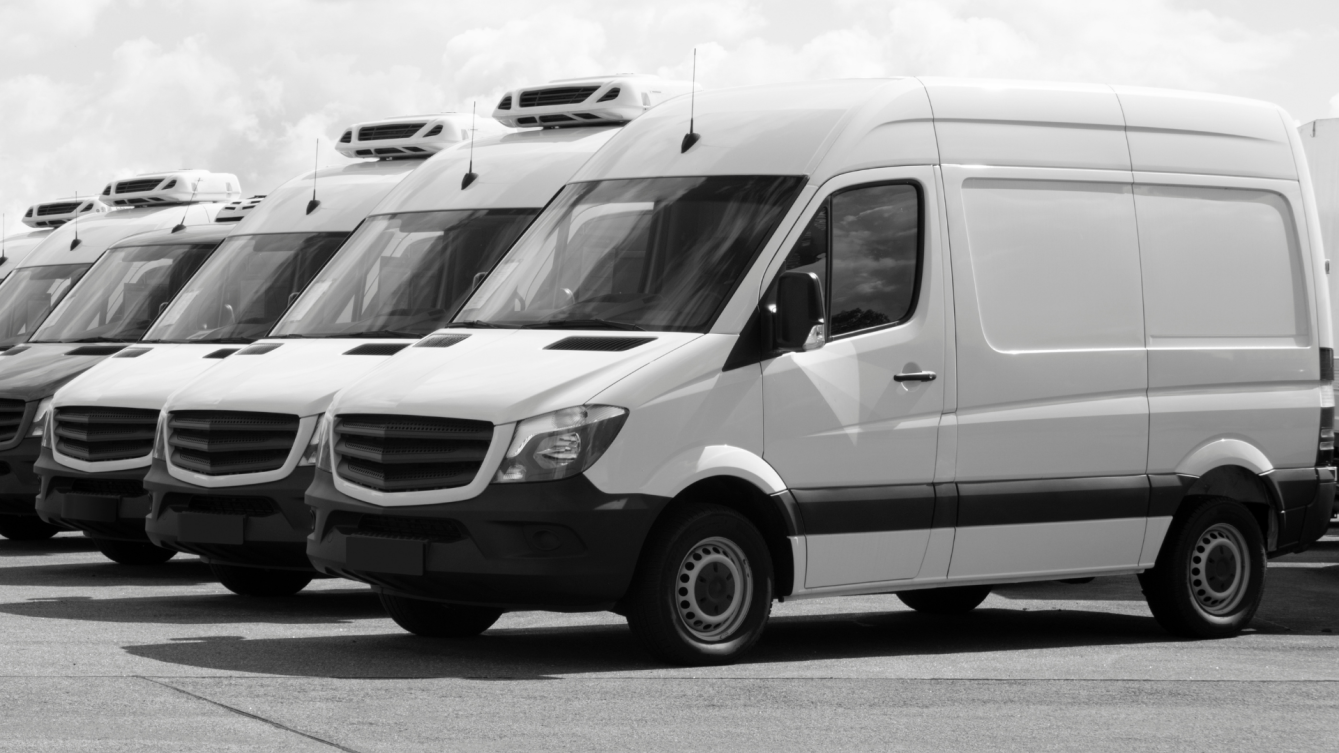

That van parked outside? It’s not just transportation. It’s your shop floor, mobile office, and a bold advertisement rolling through town. Choosing the right one doesn’t just change how you get from A to B. It shapes how clients see you, how efficiently you move, and how smoothly your day runs.
At 123.ie, we believe making informed choices upfront helps Irish business owners keep costs down and profits up. So, let's take a practical, clear-headed look at finding the perfect van to fuel your growth.
Here's our step-by-step guide to make sure your new commercial vehicle is exactly the right fit for your daily demands - and future ambitions.
Pinpoint Your Business Needs First
Imagine two typical days: Liam, a Dublin-based courier, covers short urban trips around busy streets, making dozens of stops daily.
Meanwhile, Fiona runs a catering start-up in Galway, carrying heavy equipment and perishable goods on rural roads, often needing only a handful of stops.
Liam needs quick access and easy parking, favouring a compact van that nips through Dublin’s tight traffic. Fiona requires ample load space, refrigeration options, and steady motorway performance - necessitating a larger, versatile panel van.
The takeaway? Clearly defining your business’s daily tasks helps shape every subsequent choice.
Before looking further, note down:
-
Typical daily distance - Think about the average number of kilometres covered in a normal workday, whether across town or cross-county.
-
Cargo type (weight, size, perishability) - Consider what you transport most: heavy tools, delicate parcels, or temperature-sensitive goods.
-
Number of stops per day - List how many delivery points or appointments you typically make from morning to evening.
-
Any parking or access restrictions - Note whether your workday involves tight city lanes, height restrictions, loading bays, or off-road sites.
Daily Payload and Load Space
Payload (the weight your van can safely carry) is critical. Miscalculating payload risks damaging your vehicle, voiding insurance claims, or even incurring hefty fines.
If you plan to attach a trailer, double-check if your insurance covers towing a trailer or caravan before you hit the road.
To calculate payload:
-
Check van’s Gross Vehicle Weight (GVW) from specs.
-
Subtract kerb weight (empty van weight).
-
The remainder is your allowable payload.
For example, if the GVW is 2,800 kg and kerb weight is 1,800 kg, your payload is 1,000 kg. Easy maths, big savings.
To quickly visualise load space, bring a tape measure when viewing vans. Mark your largest equipment’s dimensions and check they fit comfortably inside. This simple trick ensures no unpleasant surprises later.
Crew, Panel, or Compact Layout?
The right interior layout impacts efficiency dramatically:
-
Crew vans - Perfect if you transport tools plus a team - like builders or landscaping businesses. They comfortably seat 5–6 people but slightly reduce cargo space.
-
Panel vans - Great for pure cargo operations. Maximum load space makes these ideal for delivery businesses or equipment-heavy trades.
-
Compact vans - Ideal for city-based services such as couriers, small maintenance teams, or florists. Easy manoeuvrability and parking make urban logistics hassle-free.
Consider current and future team sizes carefully - your choice directly influences daily operations and staff efficiency.
Future-Proofing New Business Growth
Your business is growing – great! Choosing a slightly bigger van than currently required provides flexibility for additional delivery routes or larger contracts.
Planning ahead ensures you won’t outgrow your vehicle too soon, saving you from early replacement costs.
With 123.ie, you can update your van insurance policy whenever those requirements evolve, keeping cover aligned with reality.
Match Van Size to Urban and Rural Routes
Irish roads vary from narrow urban lanes in Dublin’s Liberties (D8) to rural routes between Galway and Tuam. Ensure your van choice matches your route realities:
-
Smaller vans handle tight city streets, tricky parking, and frequent stop-start journeys best.
-
Medium-sized vans balance load capacity and agility, ideal for suburban routes.
-
Larger vans excel on motorway miles, comfortably handling heavier loads and fewer stops but can struggle in tight urban settings.
When Irish weather turns, especially during heavy downpours, knowing safe driving in heavy rain on Irish roads keeps your deliveries on time and damage-free.
Van Size Guide for Irish Roads
Always check parking height restrictions - many car parks in Ireland have barriers around 2 metres high, which can limit where you can safely park a medium or large van.
|
|
|
|
|
|
|
|
|
|
|
|
|
|
|
|
Compare Powertrains and Running Costs
Running costs quickly outpace the upfront price, especially with high-mileage vans. Breaking down costs per kilometre (km) across different fuel types helps determine long-term affordability:
-
Diesel - Excellent fuel economy, ideal for motorway miles (often around €0.10–€0.14 per km).
-
Petrol - Cheaper upfront but more expensive to run (typically €0.15–€0.18 per km).
-
Electric - Cheapest city running costs (€0.03–€0.05 per km at ESB rates), zero emissions, and reduced city-centre charges.
Fuel Efficiency and Emissions
Diesel vans still lead on long motorway journeys, providing reliability and economy. For urban businesses, however, an electric van dramatically cuts running costs, reducing environmental impact and potentially helping secure eco-focused contracts.
Mileage Patterns and Service Intervals
Your annual mileage strongly influences van choices. Regular servicing ensures consistent performance and avoids expensive downtime.
Total Cost of Ownership Checks
Don’t forget costs like tyres (larger vans require pricier tyres), CVRT test fees, and annual road tax - so check the current motor-tax obligations in Ireland to budget accurately. Including these details ensures precise, realistic cost modelling.
Decide Between Buying or Hiring
Understanding financing options keeps cash flow manageable:
-
Buying outright (Hire Purchase) - You own the van after payments, claiming capital allowances and VAT reclaims. Higher initial outlay but greater long-term ownership flexibility.
-
Short-term hire - Perfect for seasonal demand spikes without ongoing commitments.
Revenue’s Recovery of VAT on Motor Vehicles [PDF] manual confirms that Category B and C commercial vans let VAT-registered businesses deduct the full tax on purchase or hire - an instant 23 % saving that narrows the price gap between new and nearly-new models.
Residual Value and Depreciation
New vans depreciate fastest in their first year. A reliable two-year-old van can provide exceptional value - still under warranty, lower cost, and slower depreciation, representing an ownership sweet spot.
Spec the Van for Safety, Comfort, and Resale
Remember, your van’s condition and specification greatly impact resale value, brand image, and daily productivity. Treat your van like a team member, providing features that help performance and comfort.
Security and Insurance Savings
Installing a dashcam, adding alarms, deadlocks, and GPS trackers can and will safeguard your business assets. Enhanced security demonstrates reduced theft risk to insurers.
Driver Comfort and Tech
Features like ergonomic seating, modern infotainment systems, and reversing cameras significantly improve driver comfort and safety, especially on long drives or frequent stops. Better comfort equals happier drivers and greater productivity.
Brand Image and Wrap Potential
A smartly specified, clean commercial vehicle presents your business professionally. Wrapping your van in company branding is cost-effective advertising - turning your van into a highly visible, trusted part of your marketing strategy.
Find the Perfect Van for Your Business
Choosing the right van doesn’t need to be complicated, clarify your needs, future-proof your investment, and consider total ownership costs. With these steps, you'll confidently select a van that drives your business forward.
Before hitting the road, ensure your investment stays protected. Get in touch to learn more about our standard perks, simple terms, and competitive rates. With 123.ie, you can focus on business growth, knowing your vehicle is fully covered.
Get a Van Insurance Quote with 123.ie
Your ideal van (and a thriving business) are just around the corner. Let’s make sure your journey starts right. Get a hassle-free Van Insurance quote from 123.ie and drive your business forward with confidence.