
Have you ever filled out a Motor Insurance application and paused at the question about where you park your car overnight? You're not alone.
Many drivers wonder why insurers care about this detail and how it affects their premiums. The truth is, your overnight parking spot reveals a great deal about the risks your car faces and the coverage that best fits your lifestyle.
Let's examine why this question appears and what it means for your rates, claims, and peace of mind.
What Insurers Want to Know About Your Car's Overnight Spot
When getting a Car Insurance quote or renewing your policy, you'll face several questions about parking. Insurers want to know where your car spends the night - it helps them understand the risks. They focus on three main areas:
- Location - Is your car at your home, on the street, or in a shared lot? Your parking address sets the stage for risk assessment.
- Type of parking - Do you use a driveway, locked garage, or communal apartment garage? These specifics make a difference.
- Typical routines - Does your car stay in the same spot nightly, or does its location vary?
Picture living on a busy city street where your car spends nights at the curb. Or perhaps you appreciate the convenience of a private driveway or even a locked garage. Each scenario tells insurers a different story about your car's vulnerability while parked.
Home Driveway vs On-Street Parking
A car in your own driveway generally faces fewer risks than one left on the street - and insurers know this. Driveways place your vehicle closer to home, within view of your windows, making it less attractive to opportunistic thieves. This often translates to lower premiums for off-street parking.
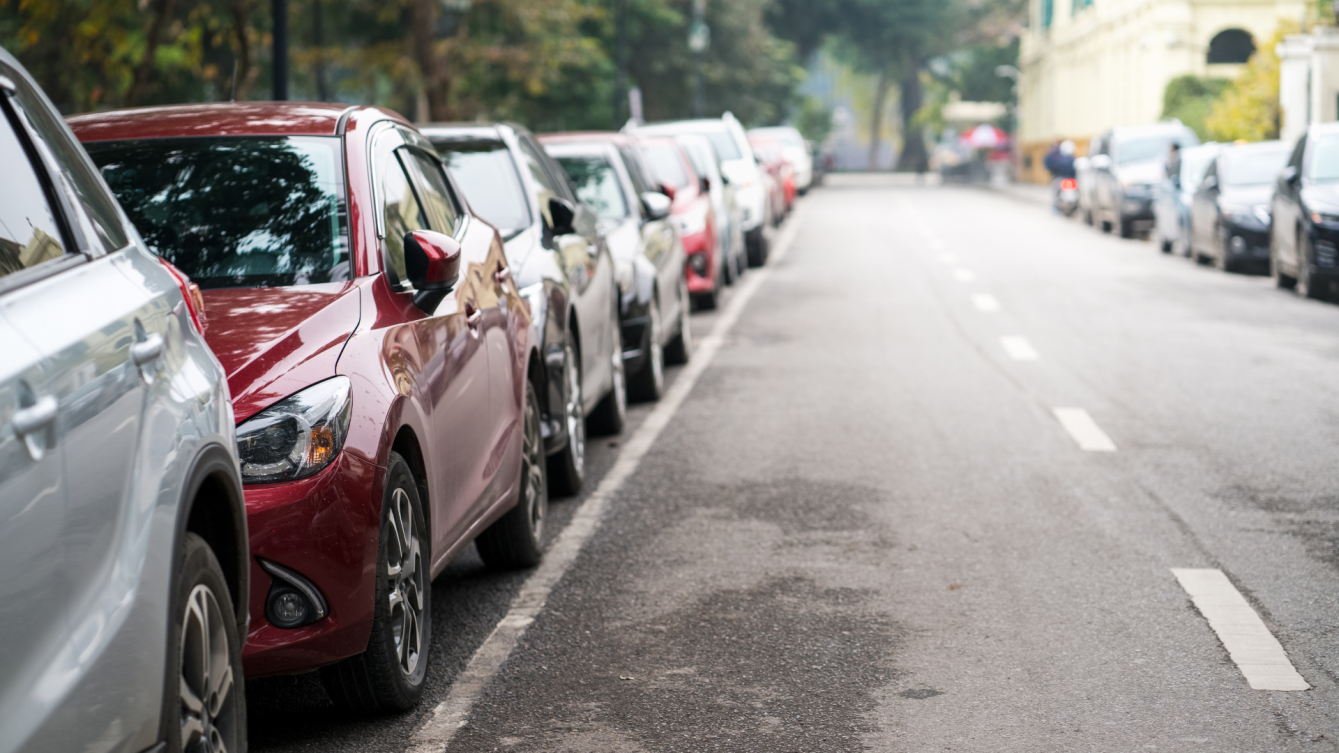
Street parking brings additional risks. Cars left overnight on public roads remain exposed to passing traffic, accidental damage, and are more visible to potential criminals. This increased exposure typically results in a higher premium.
Where you park might feel minor, but to insurers, it tells a bigger story about your risk.
Locked Garage Benefits
If you have access to a locked garage, you've hit the jackpot in the eyes of insurance companies. Garages represent the most secure parking option insurers can factor in. They keep your car hidden, protected from the weather, and inaccessible to strangers.
Since garages stand as the gold standard for vehicle storage, insurers typically reward you with reduced premiums.
Your car stays safer from theft, vandalism, and those mysterious scratches that appear overnight. It's no surprise that nighttime parking costs drop for garage owners.
See additional ways to lower your premium in our customer care centre FAQ: What optional benefits are available on Car Insurance?
Apartment Car Parks
For those parking in shared or underground apartment facilities, insurers examine additional factors. They tend to ask:
- Is there a gate at the entrance?
- How many people can access the area?
- Are security cameras installed?
While these spaces usually offer more security than street parking, they lack the privacy of your own garage. Insurers calculate risk based on access control and overall security measures.
Some apartment parking areas feature high-level security systems, while others remain relatively open. The security level directly affects how your overnight parking is factored into your insurance calculation, so providing accurate details is fundamental.
Why Overnight Parking Location Matters for Your Policy
What makes these parking details so important to insurance providers? It all boils down to risk assessment. Your car's nighttime location significantly impacts everything from the likelihood of theft to the probability of damage, and even how smoothly claims are processed.
Theft and Vandalism Risk
Consider two identical cars - one safely tucked away in a locked garage, the other parked on a quiet, yet public, street.
Which one attracts more attention from thieves or vandals? Insurance companies use extensive claims data to answer this question. Street-parked vehicles face higher risks of theft and vandalism, while those in secure locations remain better protected.
If you've ever noticed a car with smashed windows or missing parts, you're aware of the vulnerability. Insurers factor these overnight risks into your premium calculations. Better protection generally means lower costs.
Accidental Damage Scenarios
Parking on the street involves certain gambles. A distracted driver, playful children, or even a stray shopping cart can leave new dents or scratches on your vehicle. Even in apartment garages, tight spaces often lead to accidental damage.
Insurance companies are all too familiar with these scenarios. That's why your parking habits shape your coverage needs. Cars regularly left in exposed or crowded areas are at a greater risk of minor damage, which can potentially lead to claims and rate adjustments.
Claim Processing and Disputes
Being truthful about your car's overnight location helps avoid complications during the claims process. Insurers rely on your parking declaration to verify whether your car was where you stated it would be. Discrepancies can delay or complicate the claims process.
Providing accurate information when completing insurance forms means fewer questions and faster assistance when you need it most. Nobody wants to get caught in disputes over parking habits during an already stressful claim situation.
How Overnight Parking Choices Affect Your Insurance Premium
Where you park can make your insurance more affordable, or push costs higher.
Lower Premium Opportunities
Switching from street parking to a driveway or secure garage could result in noticeable premium reductions. Insurance companies appreciate anything that reduces the likelihood of claims, so safer parking often leads to better rates.
Some motorists find that installing a simple security gate or adding outdoor lighting helps reduce their parking-related premiums. Small improvements to your parking situation can generate meaningful savings over time.
Factors Beyond Your Control
Not everyone can choose ideal parking conditions. Perhaps your home only offers street parking, or your apartment complex has a public parking lot.
We get that not everyone has a driveway or garage. In such cases, focus on what you can control - like parking under streetlights, installing a dashcam, or using steering locks.
These measures may not always directly affect your premium, but they help protect your vehicle and address your insurer's security concerns.
Tips for Smart Parking and Better Coverage
You don't need fancy facilities to improve your parking situation. Here are practical ideas to enhance security and maintain appropriate coverage:
Improving Security on a Budget
- Choose well-lit areas when garage or driveway parking isn't available
- Get a visible steering wheel lock or alarm system
- Set up CCTV or a basic outdoor camera if possible
- Consider posting security signage as a deterrent
These approaches can alleviate overnight parking concerns and enhance confidence in your vehicle's safety.
Keeping Your Insurer Updated
Life changes, and so do parking arrangements. Perhaps you've moved homes, renovated your driveway, or started using a different parking facility.
Always inform your insurer about changes to your overnight parking routine. Accurate information ensures your policy remains valid and your coverage aligns with your current situation.
Have Questions About Your Parking Details?
Still unsure what to include on your insurance application? Need help figuring out how your parking setup affects your policy? 123.ie can walk you through it.
We’ll explain how parking details influence your coverage and help you choose the right protection.
Accurate information and everyday habits can help keep your vehicle covered, your premium fair, and your policy up to date. For more car insurance advice or help with your parking declaration, contact us. We’re here to help - one parking space at a time!